
oversharing on the internet
self-discovery, community building or narcissistic narrative control? maybe all three lol xx

This is me first post on the latest platform I’m gonna yap on. Obv it's about oversharing online. I'm not a practised writer, my grammar is terrible and I know that if I proof read these posts, I won't post them at all. Soz in advance for all the typos! Ok bye. Please be nice xxxxxxx
Since I’ve had access to the internet, I’ve been chronically online.
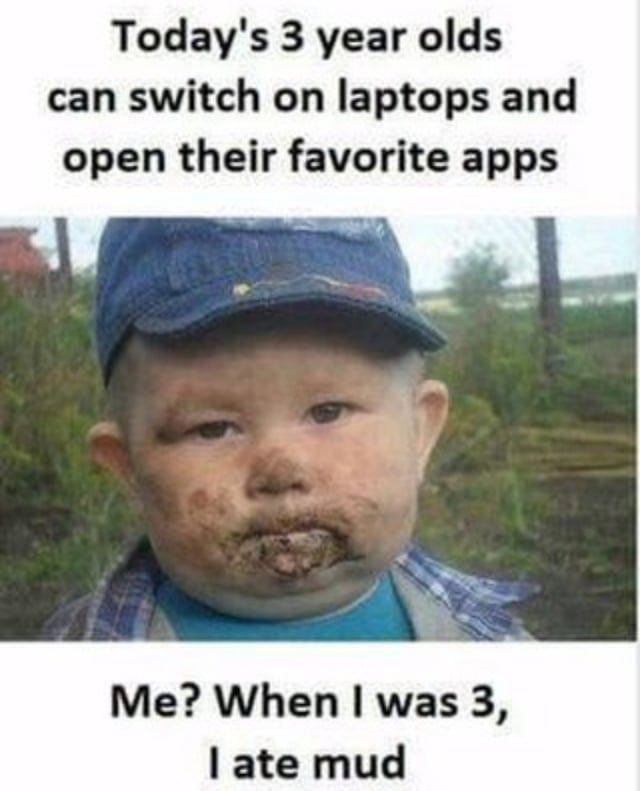
Don’t tell Gen X, but some of me happiest childhood memories are the nights I spent in front of the computer. Fuelled by fizzy drinks untarnished by EU additive regulations, I’d spend hours watching offensive flash animation, raising Neopets and playing psyche-alteringly sexual Sim games. More fun than throwing rocks in an abandoned mine or whatever depressing shite people in their 60s romanticise on Facebook, that’s for sure!
Soon, I realised that the most exciting thing about being online was access to other people. I grew up in a bit of North Liverpool where people knew their neighbours, my school was a three-minute walk away and the furthest most people travelled was a caravan park in Prestatyn (wait, does *this* sound like a nostalgic Facebook post?!). Connecting with people from different schools felt mind-blowing and immeasurable, let alone different countries.
I’d race home from school to log on to my forums. At first, chatting about my IRL interests: virtual pets, Good Charlotte, the Legend of Zelda. When that became tired, I’d spend hours on 123teenchat and its sister sites, inventing elaborate backstories for my diverse cast of characters.
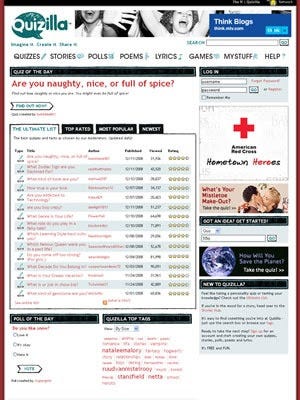
Chat rooms were the ultimate escapism. I could try on different identities. Some with fragments of myself I felt too frightened to bring into my real life, some totally imagined. My most common role was a 19-year-old student nurse seeking relationship advice: things were tense at home after her boyfriend found lesbian smut on their shared computer. Demented! And, though it pains me to side with the definite paedophiles in my “teen” chat rooms, I think I’d also look at my bird differently if I found she was secretly consuming x-rated School of Rock fan fiction on a quiz website for pre-teens. RIP Quizilla, GBNF xx
As I got older, social media communities took over. Instead of entering a chat room with different people every night, you had an online persona with permanence. I discovered being an elevated version of myself felt just as thrilling as a wholly imagined character. Myspace allowed me to dip my toe into the person I wanted to be; what was strange in an all-girls state school in North Liv was cool to the 5000 friends I had online. I could behave in a way that’d land me a scarlet letter in real life (D for Dyke probs), but a fawning message from a transatlantic emo online.
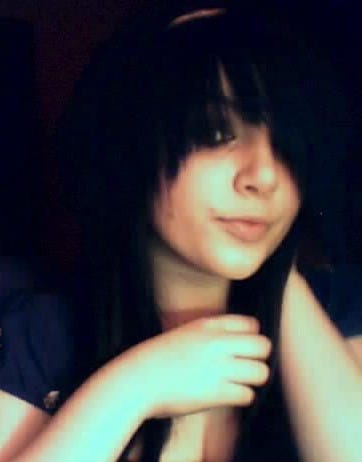
It was liberating to be seen, albeit through a grainy webcam photo edited on MS Paint.
Online, it felt like people knew me. Or, at least, the me I wanted them to know, and there were zero consequences to being my truest self. It was my first space away from the majority of my judgemental peers. I felt free to share my analysis of Bright Eyes lyrics, spew my frustrations in excruciating detail and write long, yearning wall posts to androgynous strangers.
Catfish has been on air for over a decade and online grooming is at an all-time high, so I know that it’s ridiculous to claim Myspace let me explore myself in relative safety. But honestly… I still think I’d rather take me chances with a pervy arld man pretending to be Farrah Moan than hundreds of feral, homophobic teenage girls. Cancel me!
Moving to London and starting to live the life I’d performed online (lesbianism, not Quizilla induced relationship dramz) meant I didn’t have to lean on the internet in the same way. The internet became a place for me to document my blossoming. Quasi performance. Look at what I’m doing! I’m the me I always knew I was!


That changed when I had my breakdown. What was there to virtually gloat about if I was back in Liverpool, dreams of my New Life extinguished? I didn’t recognise the Alex I’d been cultivating - online and off - since 2007.
Drowning in shame, I felt I couldn’t reconnect with old friends. Instead, I reconnected with my old habits. They say you find comfort in returning to childhood and, for me, childhood was lying online. I’d visit contemporary versions of my beloved forums, spinning a warped version of my reality on Mumsnet and Reddit to get the sympathy I craved in real life.
I was largely housebound for the best part of three years. Without access to *real* therapy, spilling my guts - or a more narratively exciting version of them - to strangers on the internet was a way for me to process my feelings and the things that happened to me. I found different perspectives. I found people who’d lived through what I did.
People online supported me in the ways I’d wanted my friends and family to, but felt too burdensome to ask for. People online reality-checked me in a way an NHS therapist should have, but I’m still on the waiting list for.
After digesting my trauma with complete anonymity, I felt ready to try communicating with people as a version of myself. I started using Twitter more, followed arty Instagram queers and spent me days chatting with cool Internet Girls that understood me.
My strongest feeling of community came from private Facebook groups where girlies hyped each other up, vented, discussed telly, posted nudes (!!!) and solicited advice. Truly, the weirdos (said with love xx) I met on the internet gave me the strength to brave The Real World.
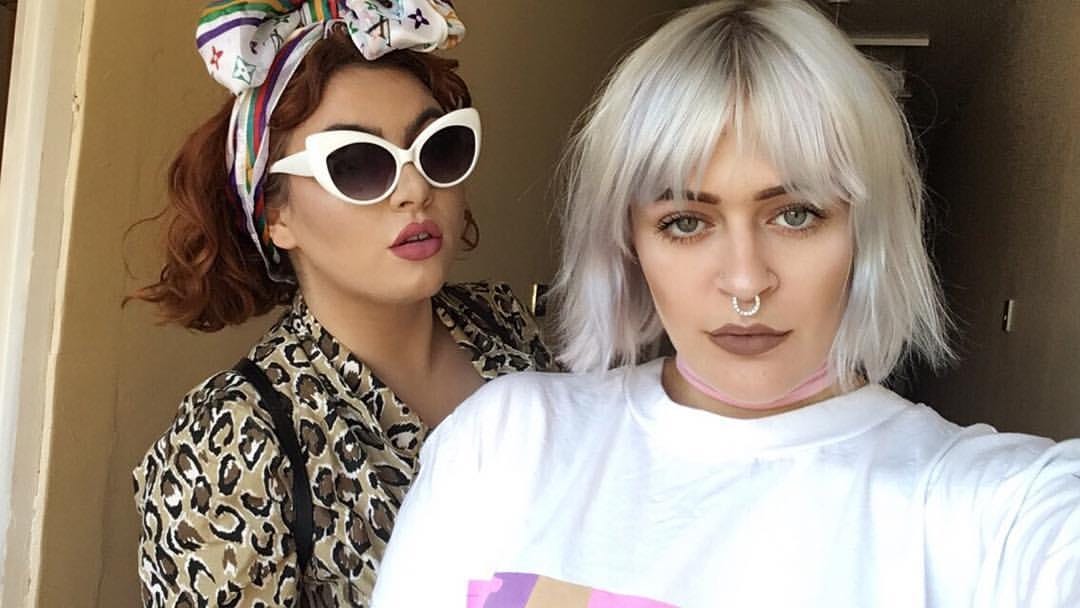
It was only when I started to integrate back into ~real life~ that my e-divulging became a problem.
With most of my friends existing only on the internet, it felt completely normal to share every aspect of my life there. I had a sizeable following and no qualms about bringing real-life issues to the court of My Twitter Followers. Everybody discusses their problems with their friends, so why not me?
I’d tag and post the person I was seeing and then, mere days later, rant in detail about my relationship problems. Misunderstandings that should have been hashed out in real life became tragedies told in 140-character increments - of course with me as a complete innocent - for my followers to read, comment on and share.
A sincere attempt to connect with others grew and warped into a way for me to live without consequences; I could rewrite history, casting myself as a hero to raucous online applause.
I thrived on the sympathy, on people siding with me. Real people became pantomime villains, their discretions taken out of context and transmogrified so I could position myself as a victim. I didn’t care that I was damaging my in-person relationships, according to the virtual masses I was in the right.
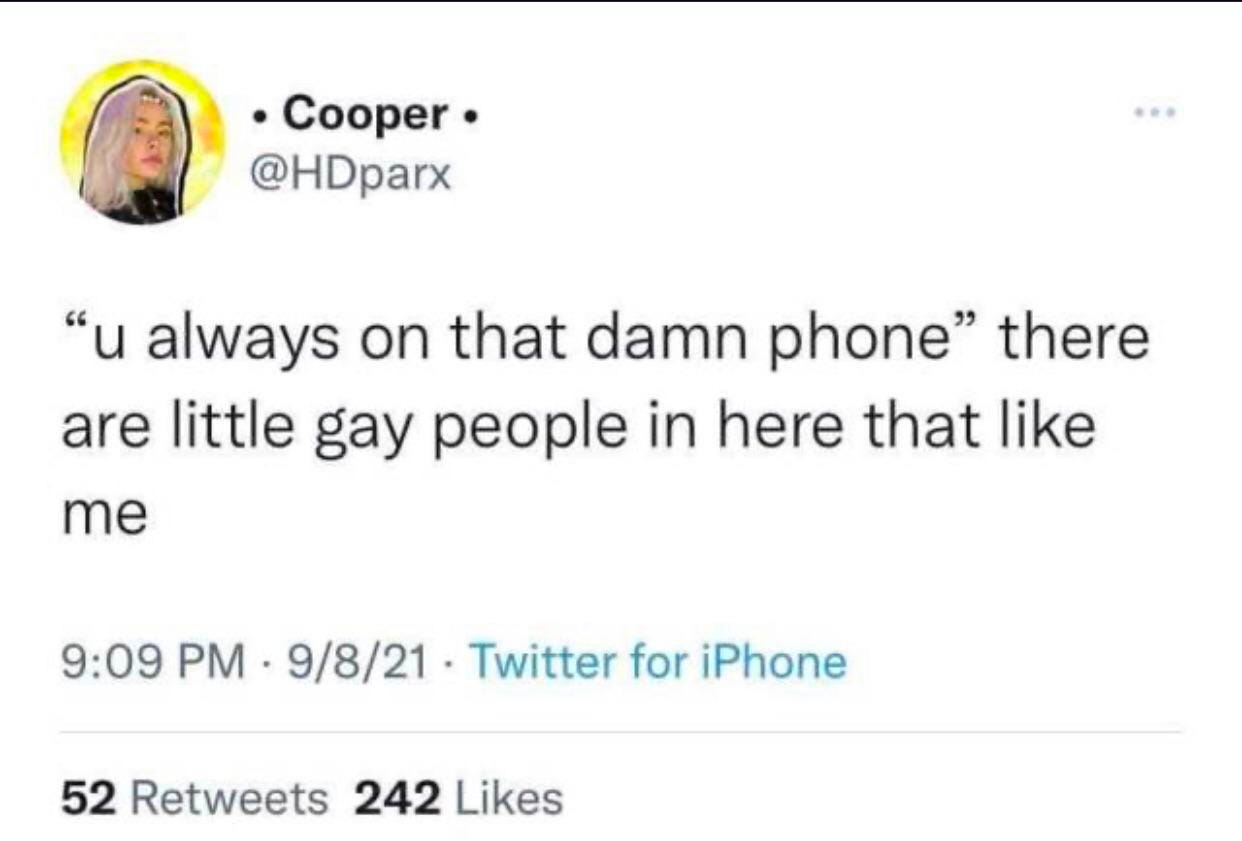
My years as a recluse feel like a distant nightmare now; I’m in therapy, on the right medication, back in work and have a network of loving, supportive friends (some of whom are still the little gay people in my phone!!). I don’t have to use your online feeds as my diary, I have people to talk to! I have the energy to write in a physical diary!
I wish I could say being Of Sound Mind caused me to reflect on my past behaviours rationally but, as with many of my existential realisations, it was because of a ridiculous TikTok. An armchair psychologist in the Bold Glamour filter imploded my sense of morality. I thought myself a good person, but as the woman reeled off ways narcissists bend the truth, I recognised myself. I recognised my pity seeking, my self-victimisation and mostly, I recognised my online character assassinations. What I used to excuse as being candid in pursuit of connection, I now realise was akin to public shaming.
I’m not sure how to right my wrongs beyond apologising. Should the people I slandered do the same back to me? Is my karma being #cancelled? Will I forever be a narcissist, revelling in victimhood, painting others - and my poor mental health - as the villain? Is even this essay a way of avoiding culpability?
I’ve asked Reddit and their opinions are mixed.